Remodeling a Bathroom in an Older Austin Home
An older Austin home bathroom remodel usually costs more and takes longer than the same project in newer construction, because the work behind the walls is unpredictable.
Older homes across Austin, Texas, in neighborhoods like Hyde Park, Travis Heights, Rosedale, and Clarksville, were often plumbed and wired decades before current code, and a bathroom is where those systems concentrate.
Knowing what tends to surface helps you plan a realistic scope and budget before demolition starts.
Key Takeaways
Bathrooms in homes built before 1980 often reveal cast iron drains and galvanized supply lines that have passed their service life.
Foundation type decides how drain relocation happens: a concrete slab requires cutting through the slab, while pier-and-beam allows access from the crawlspace.
Electrical panels and wiring in older Austin homes frequently need upgrades before new bathroom circuits can be added safely.
Hidden water damage under old tile showers is common, because reliable waterproofing materials did not exist when many of these homes were built.
A fixed scope depends on assessing conditions early, since a cosmetic update can grow into a repipe once the walls open.
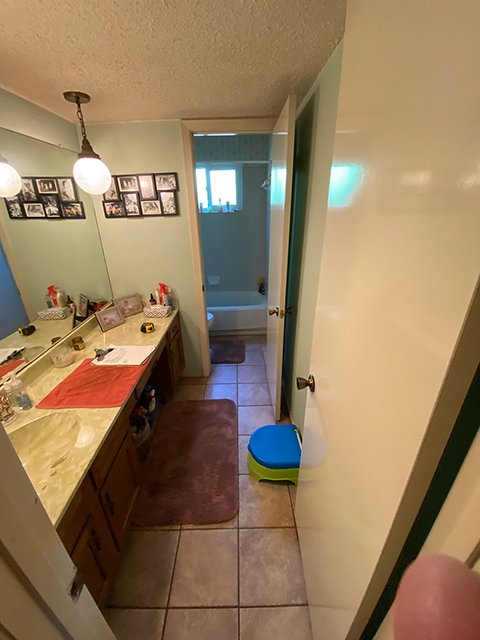
How a Home's Age Changes the Scope of a Bathroom Remodel
In an older Austin home, the visible bathroom is a small part of the remodel, and the plumbing, wiring, and framing behind it drive most of the bathroom remodel cost and most of the surprises.
Much of Austin's central housing stock predates 1980 and has been renovated in layers, which leaves a patchwork of materials behind the tile. It is common to find galvanized pipe spliced to copper, or an old drain connection buried where no one expected it, from a previous partial update.
A bathroom concentrates every major system in one small footprint: supply lines, drain lines, venting, and several electrical circuits. That is why a project that looks cosmetic on the surface can reach into the plumbing and electrical systems the moment a wall opens. The age of the house sets the odds of that happening.
Slab and Pier-and-Beam Foundations Change How Drains Move
The foundation type decides how much work it takes to move a shower drain, toilet, or other plumbing fixtures in an older Austin home.
Most post-war Austin homes were built on slab, which means drain lines run under the concrete. Relocating a fixture then requires cutting into the slab, and cutting into an old slab risks disturbing brittle pipe and creating new leaks.
Pier-and-beam homes are more forgiving. The crawlspace gives direct access to drain and supply lines, so rerouting plumbing for a new layout is less invasive and less expensive. This is one reason keeping fixtures close to their existing locations controls cost in older homes.
Planning the bathroom remodel around existing plumbing locations avoids the most expensive category of work in a slab house.
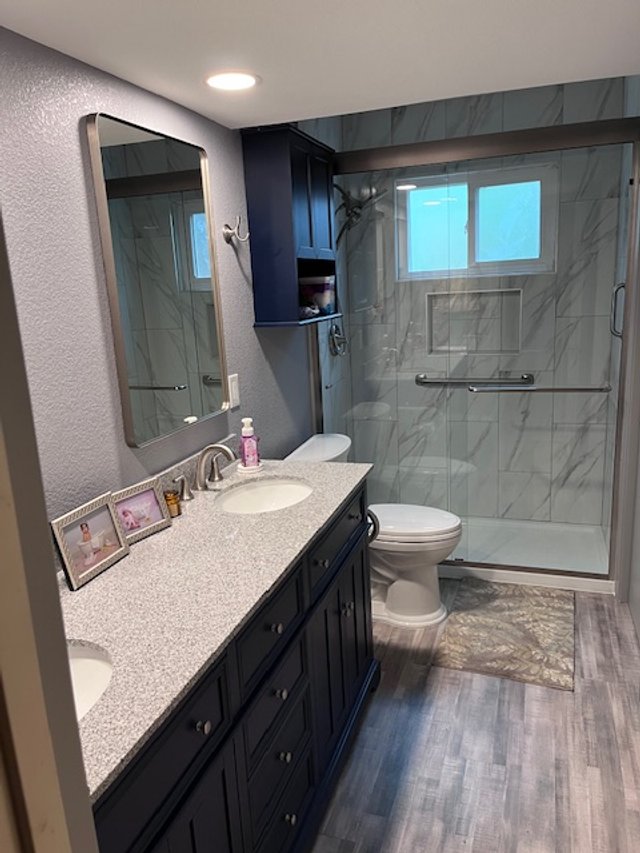
Cast Iron and Galvanized Pipe in Homes Built Before 1980
Cast iron drain lines and galvanized steel supply lines were standard in Austin homes from the 1930s through the 1970s, and both corrode from the inside in ways you cannot see until a wall opens.
Cast iron has a service life of roughly 40 years, and most central Austin homes have passed that mark.
Galvanized supply lines corrode internally, which restricts water pressure and can produce rust-colored water from fixtures that sit unused.
A remodel is the practical window to replace this pipe with PEX or copper, because the walls are already open. The alternative, patching one failed section, tends to leave a mix of old and new material that fails again at the next weak point.
This is also why a cosmetic bathroom update in an older home sometimes grows into a whole-house repipe once the actual condition of the pipe is visible. Pricing that possibility as a contingency from the start keeps the project from stalling mid-demolition.
Older Wiring and Panels Behind Bathroom Walls
Bathrooms updated in older Austin homes often need new electrical work because pre-1970s wiring lacks the grounding and capacity that modern fixtures and code require.
Homes built before the 1950s may still have knob-and-tube wiring, and homes from the following decades frequently lack dedicated ground wires. Current code also requires GFCI protection in bathrooms, which older circuits do not provide.
Capacity is the other constraint. Many older homes were built with 60-amp service, and adding heated floors, a steam unit, or extensive lighting can require new dedicated circuits run back to the panel. In some cases, the panel itself needs an upgrade to 200-amp service before the bathroom work can pass inspection.
These are the kinds of items best identified during planning, not after tile is on order.
Water Damage and Subfloor Issues in Vintage Showers
Old tile showers in Austin homes frequently hide rotted subfloor and framing, because the waterproofing methods used decades ago failed slowly and silently.
The reliable waterproofing membranes and materials used today did not exist when many mid-century showers were built. With no barrier to stop it, water reaches the wood, and the rot spreads unseen. By the time it shows, the shower often needs rebuilding from the substrate up.
On a pier-and-beam home, you can often inspect the damage from the crawlspace before committing to a scope. On a slab home, the damage stays hidden until demolition.
Either way, a shower that has been in place for decades is worth treating as a likely source of concealed damage rather than a simple tile-out. Replacing a decades-old tub or shower with a new walk-in shower means rebuilding the waterproofing from scratch, which is the right time to correct any damage found underneath.
Planning for What the Walls Reveal
The most reliable way to keep a full bathroom remodel in an older home on budget is to assess conditions before demolition, not during it.
A thorough assessment looks at foundation type, the accessible sections of pipe, panel capacity, and any signs of past moisture. That early step in the renovation process is what turns an open-ended project into a scope you can price with confidence.
This is where a crew that handles plumbing, electrical, and carpentry under one roof has an advantage, because scope changes in an older home rarely stay in one trade. Fewer handoffs means the discovery of an old drain line does not stall the whole project while a separate contractor is scheduled.
Our two decades of remodeling Austin homes, fully insured and backed by warranty, are built on projects exactly like these. We also handle thepermitting process that these projects tend to require once plumbing, electrical, or structural work enters the scope.
Conclusion
The bathroom itself is rarely the hard part in an older Austin home. The plumbing, wiring, and foundation around it determine the real scope, and the remodeling projects that stay on budget are the ones that account for those systems before the first tile comes off. Ask any contractor how they plan to assess conditions before demolition, and get the likely repipe or panel work priced as a contingency from the start.
Frequently Asked Questions
Do I need to repipe my whole house during a bathroom remodel?
Not always, but it is common in homes built before 1980. Once walls open and the condition of cast iron or galvanized pipe is visible, a repair often makes more sense as a full repipe. A good contractor assesses this before demolition so the budget reflects it rather than absorbing a surprise mid-project.
Is a bathroom remodel harder in a slab or pier-and-beam home?
Moving plumbing is harder in a slab home, because the drain lines run under concrete that has to be cut. Pier-and-beam homes allow access from the crawlspace, which makes rerouting a drain or vanity line less invasive and less expensive.
How much more does an older-home bathroom remodel cost?
There is no fixed premium, because the cost depends on what the walls reveal. Plan for the materials and finishes you want, then set aside a contingency for the plumbing, electrical, or subfloor work that older homes tend to need.
Can I keep the original layout to save money?
Often yes. Keeping fixtures in their existing locations avoids moving drains and supply lines, which is one of the largest cost drivers in an older home. It is one of the first things worth discussing when planning the bathroom remodeling project.